Comfort should not have to change with the seasons. The same system that keeps your home warm on a chilly morning can also cool it when summer temperatures rise. That is the basic idea behind a heat pump, an efficient heating and cooling technology designed to move heat rather than create it from scratch.
If you have ever wondered how a heat pump works, the answer becomes much easier to understand when you think of heat as something that can be transferred from one place to another. A heat pump uses electricity to move heat, enabling it to heat or cool indoor spaces with a single, versatile system.
For homeowners considering a more efficient comfort solution, understanding the process can make it easier to choose the right equipment and recognize the value of professional installation. Unisystems helps homeowners understand their heating and cooling options and provides dependable HVAC solutions designed for comfort, efficiency, and long-term performance.
How a Heat Pump Works in Simple Terms
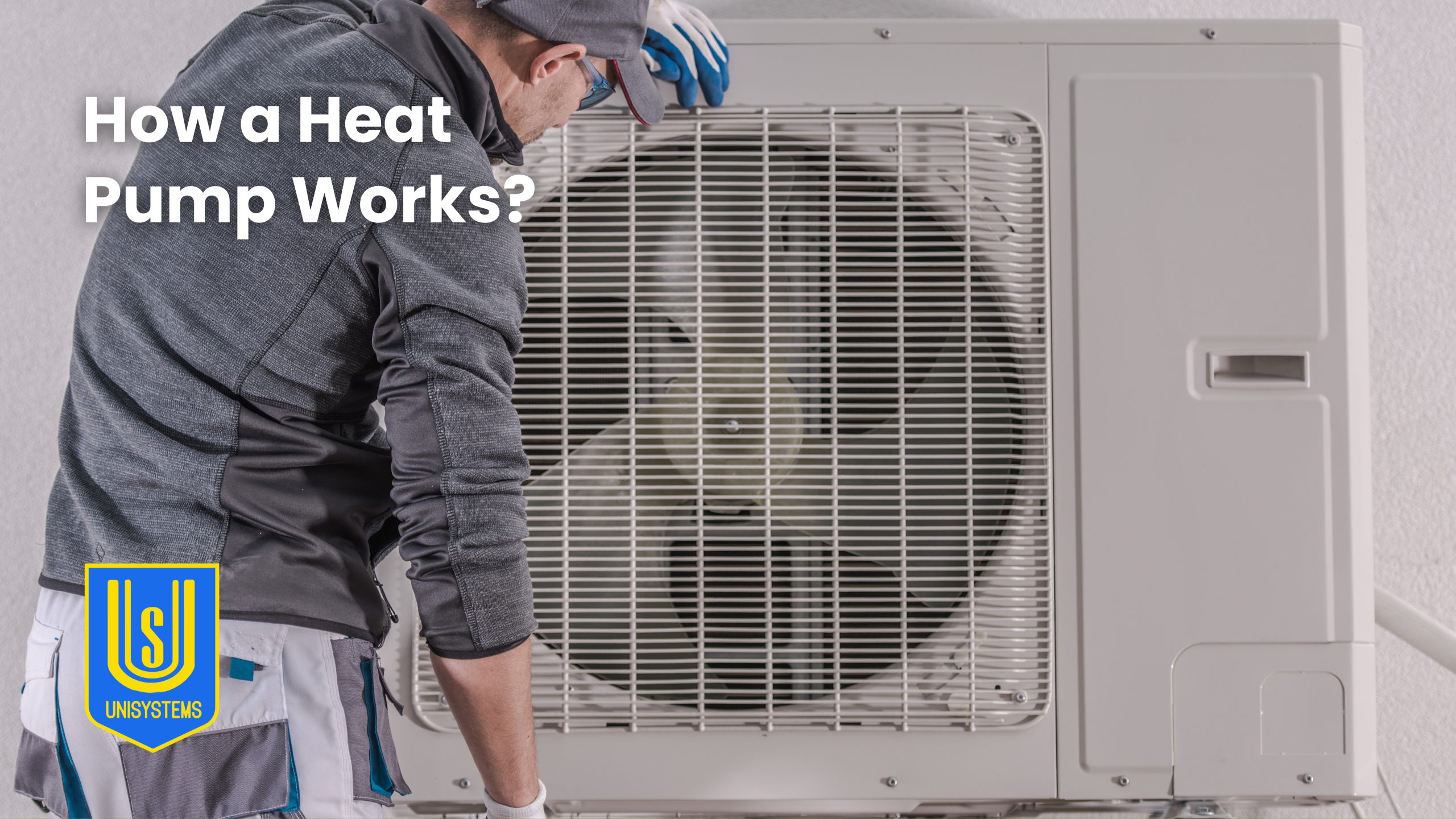
At its core, a heat pump moves heat rather than generating it through combustion. During heating mode, the system extracts available heat from outdoor air and transfers it indoors. Even when the outdoor temperature feels cold, there is still usable heat energy in the air.
The process relies on a closed refrigeration cycle. A refrigerant travels through different components of the system, changing between liquid and vapor as pressure and temperature change. These changes allow the system to absorb, move, and release heat efficiently.
During cooling mode, the process reverses. Instead of bringing heat inside, the heat pump absorbs heat from indoor air and transfers it outside. In simple terms, the system can heat or cool your home by controlling where heat goes.
This approach is one reason modern heat pumps can provide year-round comfort without requiring separate heating and cooling equipment. Unisystems can help homeowners determine whether a heat pump system is suitable for their home’s layout, comfort requirements, and energy goals.
What Makes a Heat Pump Work?
Several major components work together to complete the heat transfer process. Each part has a specific role, and the entire system depends on coordinated changes in refrigerant pressure and temperature.
The evaporator absorbs heat from the refrigerant. The compressor then increases the refrigerant’s pressure, causing its temperature to rise. From there, the heated refrigerant flows to the condenser, where it releases heat to the surroundings.
An expansion valve completes another important part of the cycle. It reduces the refrigerant pressure, lowering its temperature so it can absorb heat again. This continuous process allows the pump work cycle to repeat as long as the system is operating.
A typical heat pump includes:
- Evaporator: Absorbs heat from the surrounding air or another source.
- Compressor: Raises refrigerant pressure and temperature.
- Condenser: Releases heat into the desired space or outdoors.
- Expansion valve: Lowers the refrigerant pressure and prepares it for the next cycle.
- Heat exchanger: Helps transfer heat between the refrigerant and air.
Because these components must work together correctly, installation quality matters. Unisystems approaches HVAC installation with attention to equipment selection, system design, airflow, and reliable operation.
How the Refrigeration Cycle Moves Heat
The refrigeration cycle is the heart of how a heat pump works. It provides a controlled method for transferring heat energy between locations.
Imagine the refrigerant as a carrier that picks up heat in one place and releases it somewhere else. In heating mode, the refrigerant absorbs heat from outdoor air. After passing through the compressor, its pressure and temperature increase. The warmer refrigerant then reaches the indoor heat exchanger, releasing heat into the home.
Once the refrigerant releases its heat, it changes state and continues through the system. The expansion valve reduces its pressure and temperature. The refrigerant is then ready to absorb heat again.
In cooling mode, the system reverses this process. The indoor heat exchanger absorbs heat, while the outdoor unit releases it outside.
This may sound complicated, but the basic concept is simple: heat pumps move heat from one place to another using a controlled refrigeration cycle.
The technology has been refined for decades, enabling modern systems to provide reliable heating and cooling while using electricity efficiently.
How the Pump Works During Cold Weather
A common question is whether a heat pump can provide effective heating when outdoor temperatures are low. The answer depends on the type of equipment, its capacity, installation, and local climate.
Even cold air can contain heat. The outdoor coil allows the refrigerant to absorb that available heat before the system increases its temperature through compression. The resulting heat can then be transferred indoors.
Modern cold-climate heat pumps are designed to operate efficiently across a wide range of temperatures. However, system sizing and installation are especially important in colder conditions. A unit that is too small may struggle to meet demand, while an oversized system may cycle inefficiently.
Another factor is defrost operation. When outdoor temperatures are cold and moisture is present, frost can develop on the outdoor coil. The system can temporarily reverse operation to remove this frost and maintain proper heat transfer.
Unisystems can evaluate your home’s heating needs and recommend equipment that fits the property’s conditions. Proper planning helps ensure the system can deliver dependable comfort through changing weather conditions.
How Heat Pumps Cool Your Home
The same equipment that heats your home can also provide cooling. In cooling mode, the system reverses the refrigerant flow so that heat is absorbed from the indoor air and released outdoors.
Warm indoor air passes over the indoor heat exchanger. The refrigerant absorbs heat from that air, causing the indoor air temperature to drop. The system then moves the captured heat outdoors, where it is released through the outdoor coil.
This is why saying a heat pump “creates cold” is not quite accurate. Instead, it removes heat from the indoor environment. The result is cooler air circulating throughout your home.
Depending on the equipment and installation, heat pumps can also help manage indoor humidity during cooling operation. Maintaining proper airflow and system performance is important for achieving consistent comfort.
With experience across heating and cooling applications, Unisystems can help homeowners understand how their system should operate in both modes and what maintenance practices can support dependable performance.
Why Heat Pumps Use Electricity Efficiently
Traditional heating equipment may generate heat by burning fuel, whereas a heat pump primarily uses electricity to transfer existing heat. That difference can contribute to high efficiency under the right operating conditions.
Instead of using electricity solely to generate heat, the system uses it to power components such as the compressor and fans, while the refrigerant handles the heat-transfer process.
Efficiency can vary depending on outdoor temperature, equipment type, system condition, installation quality, and thermostat settings. Factors such as ductwork, insulation, airflow, and building design can also influence overall performance.
A properly sized and installed heat pump can provide both heating and cooling from the same system. This can simplify equipment needs while giving homeowners greater flexibility throughout the year.
For homeowners exploring this technology, Unisystems focuses on matching HVAC solutions to practical comfort needs rather than recommending equipment based on specifications alone.
Heat Pump Maintenance and Long-Term Performance
Like any mechanical system, heat pumps need regular care to operate properly. Maintenance helps keep airflow unrestricted, allows components to operate as intended, and can help identify developing problems before they become more serious.
Homeowners can support basic performance by keeping the area around the outdoor unit clear of leaves, debris, and other obstructions. Indoor filters should also be checked and replaced or cleaned according to the equipment manufacturer’s recommendations.
Professional maintenance can involve inspecting electrical connections, refrigerant-related components, coils, airflow, controls, and other parts of the system. A technician can also check whether the system is operating at appropriate pressure and temperature levels.
If a heat pump begins making unusual sounds, struggles to maintain the desired temperature, develops ice where it should not, or repeatedly cycles on and off, professional inspection may be appropriate.
Unisystems provides HVAC expertise to help homeowners maintain reliable heating and cooling performance. Regular attention can help protect comfort and support the useful life of the equipment.
Is a Heat Pump Right for Your Home?
A heat pump can be an excellent option for homeowners who want a single system that provides both heating and cooling. However, the right choice depends on several factors, including home size, insulation, existing HVAC equipment, ductwork, climate, budget, and personal comfort preferences.
There is no universal system that works the same way for every property. A professional evaluation can help determine the appropriate capacity and configuration while identifying potential installation considerations.
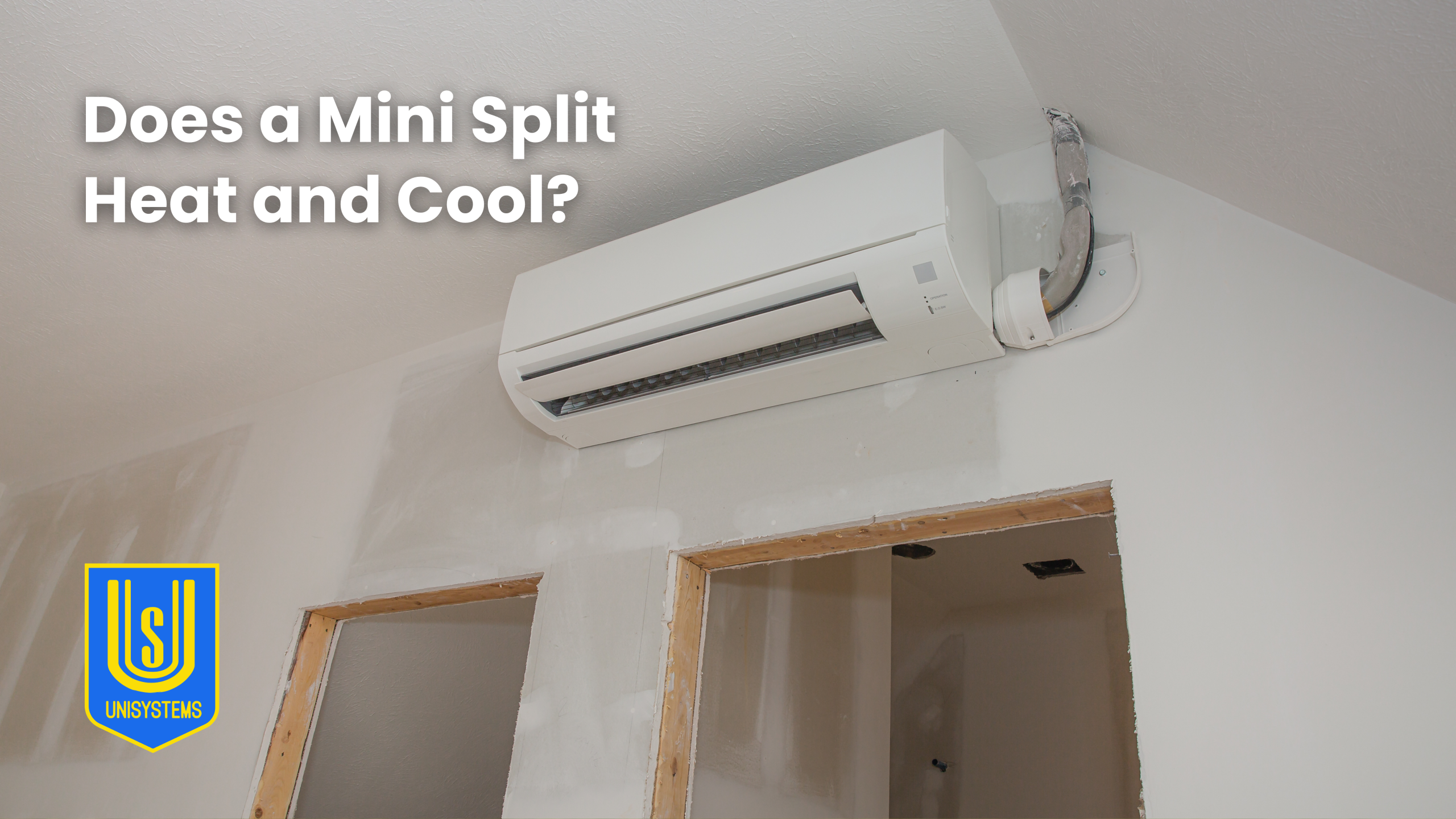
Homeowners may also compare different heat pump types, including ducted systems and ductless options. Each configuration has advantages depending on the home’s design and the desired level of zoning or flexibility.
Understanding how a heat pump works is the first step. Next is determining how that technology can work in your specific home.
Unisystems can help you explore your options and make an informed decision based on your property’s heating and cooling requirements.
Bring Smarter Year-Round Comfort Home
Comfort is more than simply adjusting the thermostat. It is about having a dependable system that responds to the seasons while using energy thoughtfully.
A heat pump achieves this by transferring heat rather than relying solely on traditional heat generation. Through the coordinated operation of the compressor, refrigerant, evaporator, condenser, expansion valve, and heat exchangers, the system can move heat into your home during winter and out of it during summer.
If you are ready to explore whether this technology is right for your property, Unisystems is ready to help you take the next step. From understanding your options to selecting and maintaining the right system, professional guidance can make the transition to efficient year-round comfort much easier.